

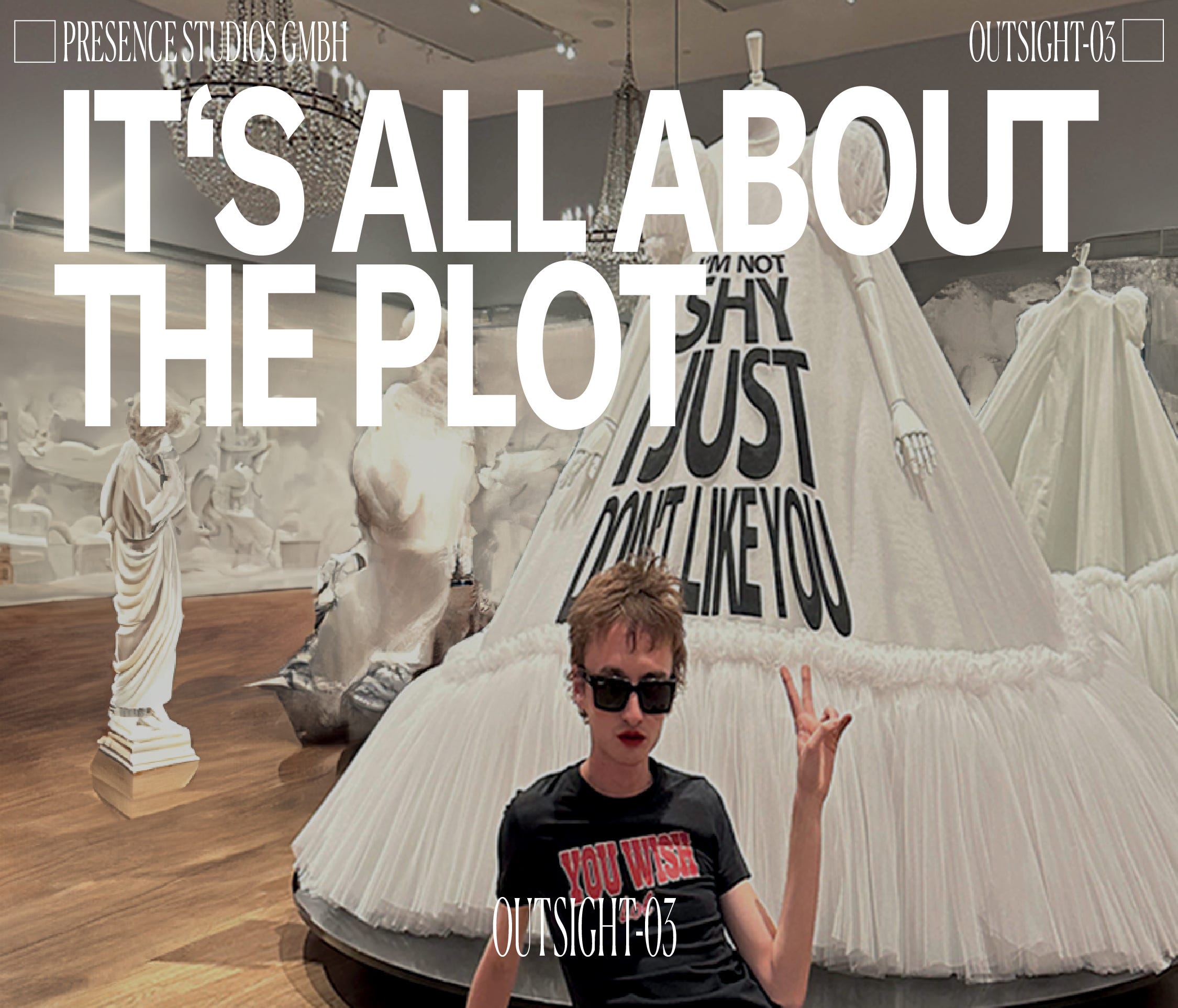
Social media has become an overcrowded space, but if you scroll through any of Javier de la Banca’s content, you will remember it. His narrative is a perfect mix of everything pop culture is celebrating right now: humour, authenticity and a nice touch of "what did I just see".
Even John Galliano is obsessed with him: Javier was the fashion designer’s muse for the SS19 Margiela collection. Other brands have also recently recognised the powerful narrative Javier brings to our feeds and partnered up with him – Camper and Miista are just two of them.
We talked to Javier about what people are looking for in social media, how he created his unique persona and how queer people are being celebrated in the media.

[PRESENCE] Authenticity is key for anyone or any brand trying to be culturally relevant nowadays. what’s your definition of authenticity?
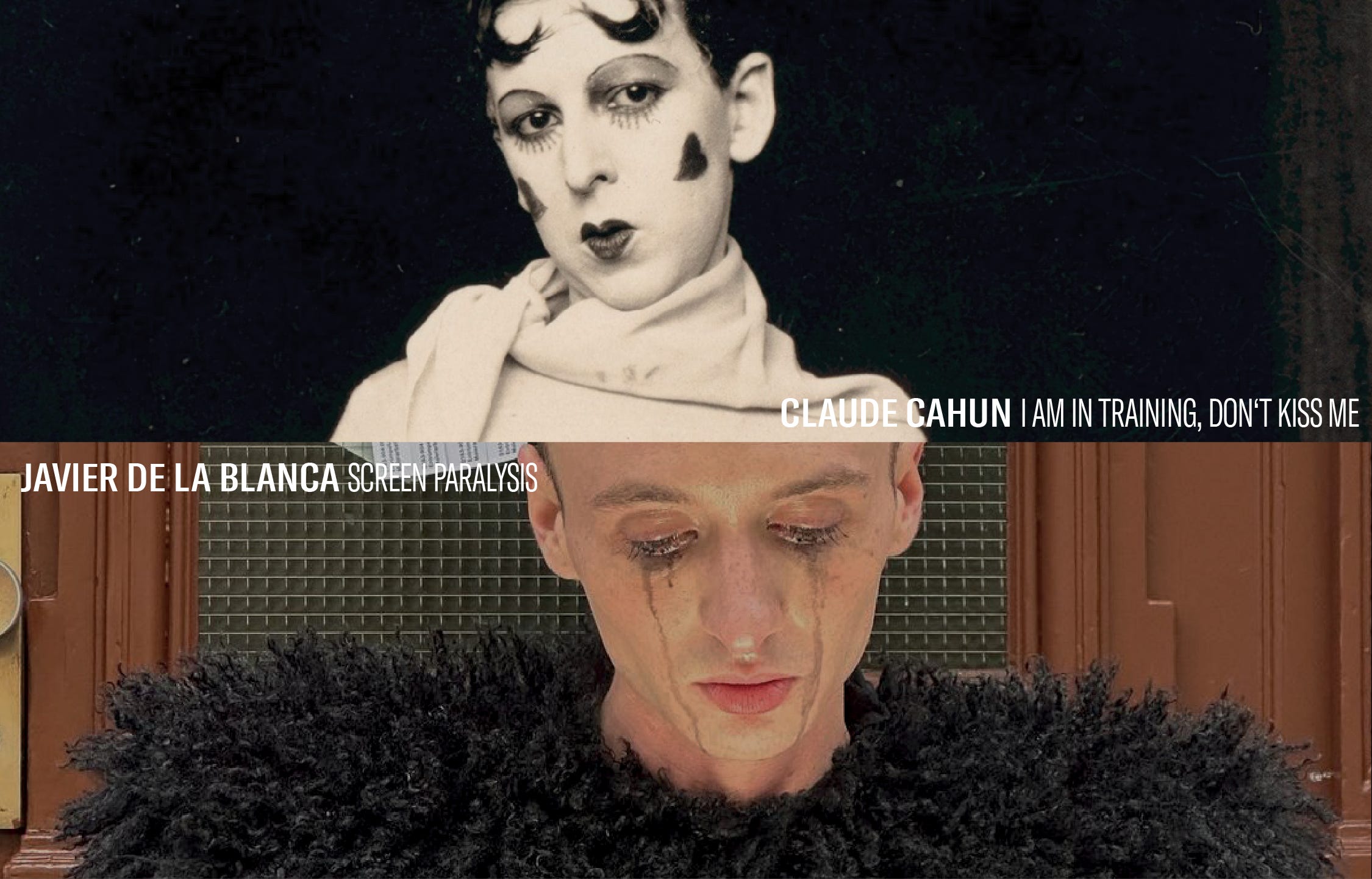
[JAVIER] The motif present in all my content is “don’t take yourself too seriously”. That’s my narrative: not a trashy humour, but a balance between understanding the industry I am in – the fashion one – and then me perceiving myself never too seriously. Nowadays we are so overloaded with content, that in the end, how are you going to select the ones you like? You remember the ones who are bringing something that is truly unique to themselves.
[PRESENCE] Remember that TikTok series “Who TF Did I Marry”? It’s eight hours long in total and people were watching it all.
[JAVIER] Yes! And now the hype of the internet are these trad wives – you know, Nara Smith. All these narratives of creating something from scratch, we absolutely know it’s not true. She has a whole team doing this, but you just keep watching because of the way she’s doing it. I got even more obsessed because now we have people making fun of that. Lots of narratives making jokes with that. So a creator builds a narrative and they allow other people to dive into it and create multiple narratives on top of the original one.
[PRESENCE] We have some amazing examples of brands turning to humour in their social media content like marc jacobs and loewe. it seems we’re turning away from aspirational content to more real ones. are we tired of aspiring to be other people?
[JAVIER] Aspirational content comes from 2016-2018, during the hype of Instagram where influencers would have their avocado toasts with perfect smoothies, pretending to have an amazing life. In that period, people were buying this idea. Now everyone has a phone and know how to post a TikTok or a carousel on Instagram. Nobody wants to be you anymore, what people want is your narrative, the way you say things and how you create the plot. Nowadays, youth can differentiate between fake things and real ones, but we just don’t care anymore. If the plot is nice, if the narrative is fun, we’re buying it. I’m not talking about political statements, of course.
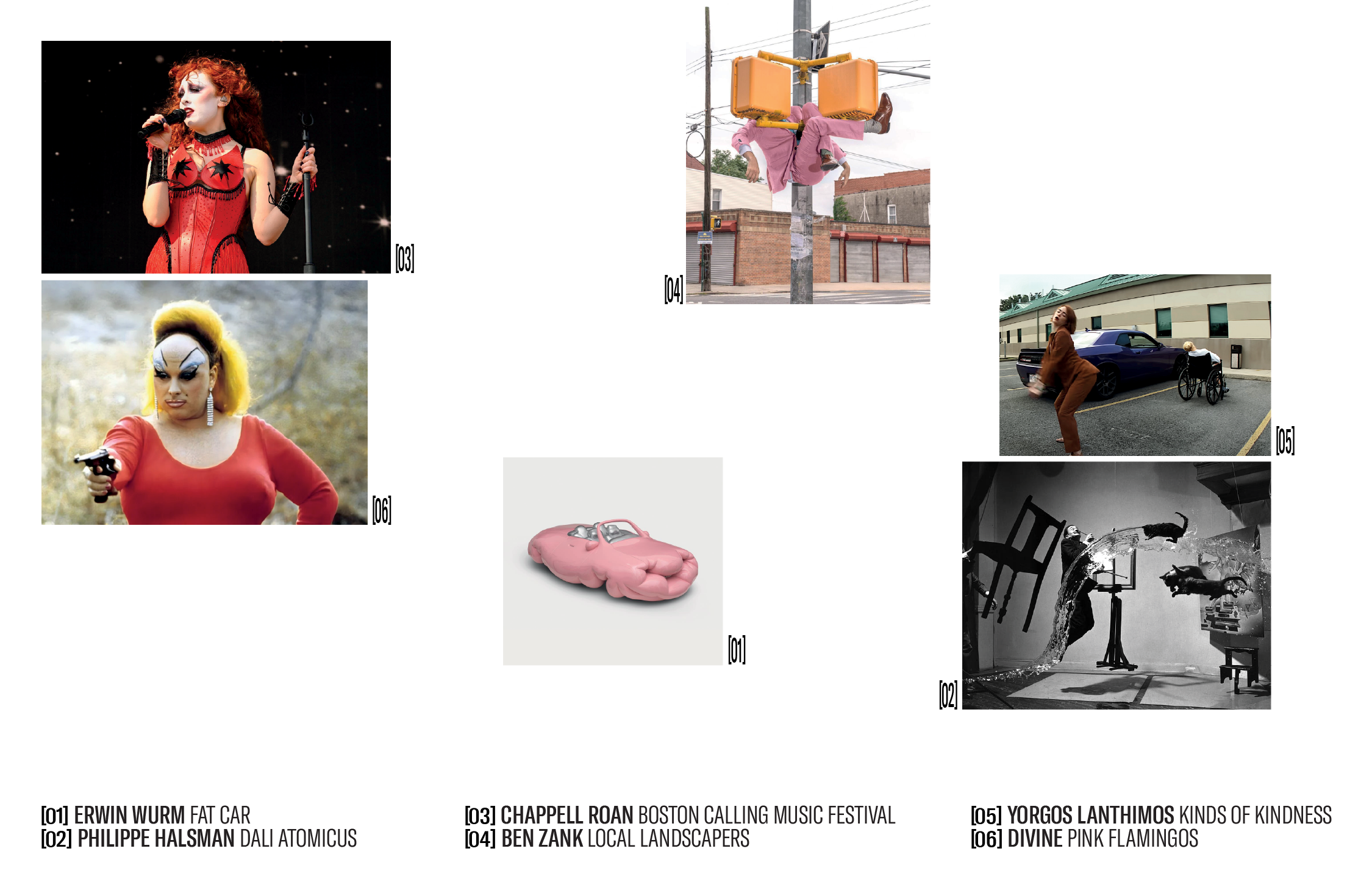
[PRESENCE] We’re talking about fun and not caring if something is real or not. but how do you separate your real you from your creator self?
[JAVIER] I’d say by surrounding myself with good friends and with people that understand my work in a 360 way. That’s the way to stay humble, with my feet on the ground. I meet several people in the real world and I ask them “did you expect I would be exactly like that?” and all the time I get a “yes”. Even though my character is only 20% of my real self, I never felt a dissociation between them.
[PRESENCE] Why do you think more and more people are understanding and accepting your narrative?
[JAVIER] Society changes and right now queer people are at the forefront of creativity. In 2016, when I started publishing contents, the norm was being cute and using Instagram filters. I realised that I didn’t like these beauty standards. I was obsessed with these apps where you could modify your body, the ones people were using to erase their wrinkles and make themselves skinnier. I used them to make my head super big or tiny, making my neck extremely weird. So I was using the same apps to do the opposite, making myself “not likeable”, “not desirable”, “not fuckable”. I think the only reason why people think I’m cool nowadays is because queer people are celebrated in the media, people are detaching themselves from the binary gender system, everything is way more diverse.
[PRESENCE] I saw that Kamala Harris used a picture of gay guys with “brat” t-shirts with her name in her presidential campaign and someone referred to this very iconic phrase of Samantha Jones in sex and the city: “first come the gays, and then the girls, and then the industry”. do you think the industry is representing queer lives in the right way?
[JAVIER] Yes, I do think so. We can talk about pink washing, but it’s better to have representation rather than not have it. We queer people are starting to occupy positions of power and that is when the game changes. And when we occupy these spaces, we bring more queer people in.We used to have this idea in the past that only one of us could fit in. Only one could have the chair. But we need to change the game ourselves. It’s not about competition. If I have the space, I’m fucking bringing you in. The more, the merrier.
[PRESENCE] Ok, to finish: three things you would say to any creative person who are struggling in believing in themselves.
[JAVIER] Create content and publish it. Don’t leave it as a draft. You never know how your narrative will be perceived. You just have to put yourself there, be spontaneous and be genuine. Don’t take yourself too seriously. No one is that important. No one. Try different things and don’t overthink. Don’t be competitive. Instead of fighting, get together with them and make a remix.